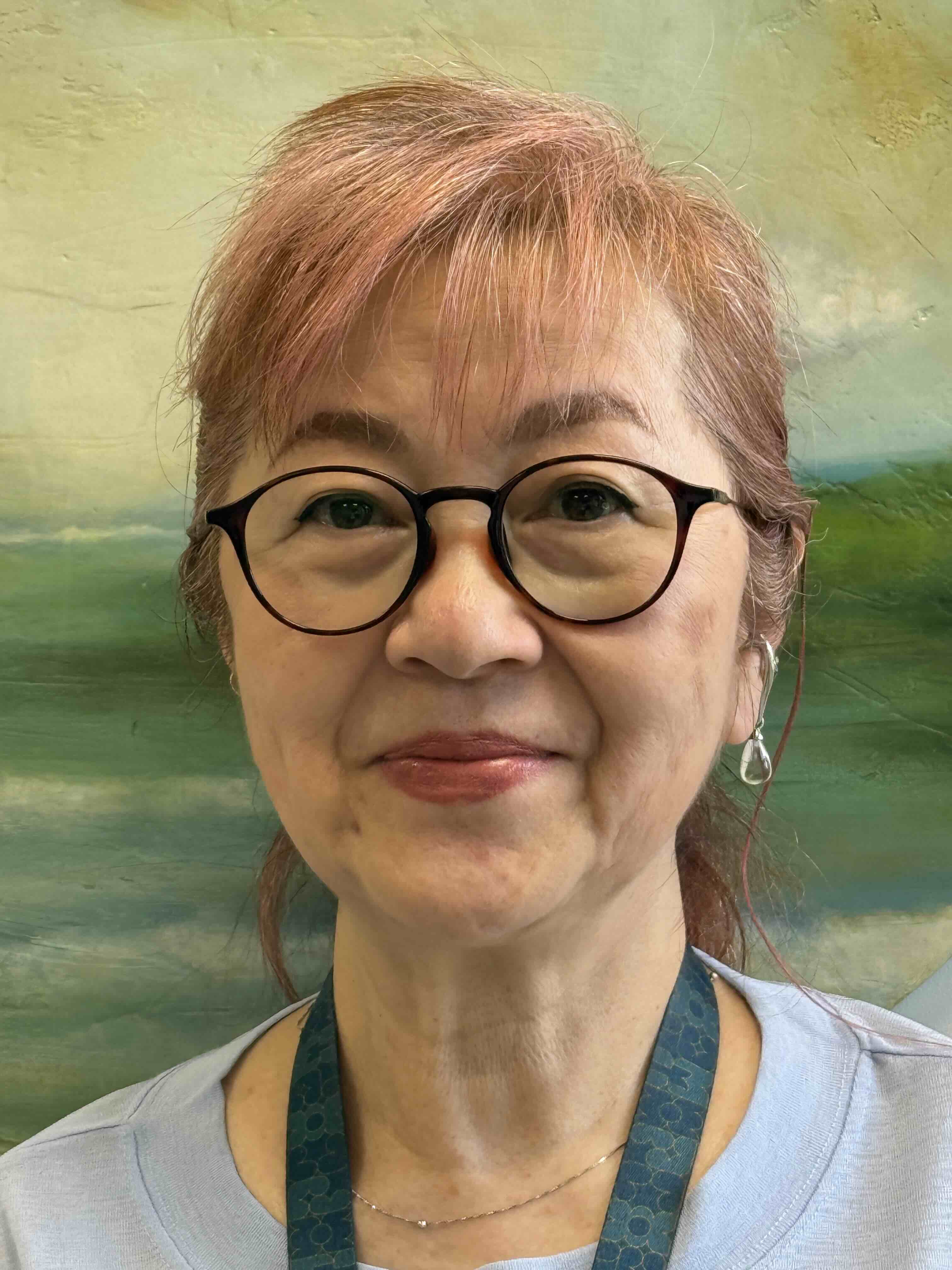
From ozone to climate: A conversation on International Day of the Girl with Megumi Seki reflecting on a lifetime shaping global environmental action
When Meg arrived at the United Nations Environment Programme in 1988, the Montreal Protocol was in its infancy. The treaty had been adopted only a year earlier. Scientists had warned that chemicals used in refrigeration, air conditioning and aerosols were destroying the Earth's protective ozone layer, increasing the risk of skin cancer, cataracts and damage to ecosystems. Governments had agreed to act, but there were no guarantees.
Nearly four decades later, the Protocol has become one of the most successful environmental treaties in history. The ozone layer is on a path to recovery, more than 99 per cent of ozone-depleting substances have been phased out, and the treaty has evolved to tackle climate protection through the Kigali Amendment.
After almost forty years working for the Montreal Protocol, Meg reflects on her time spent with a fledgling treaty that grew into a model for international cooperation.
You joined UNEP just as the Montreal Protocol was coming into force. What do you remember from those early days?
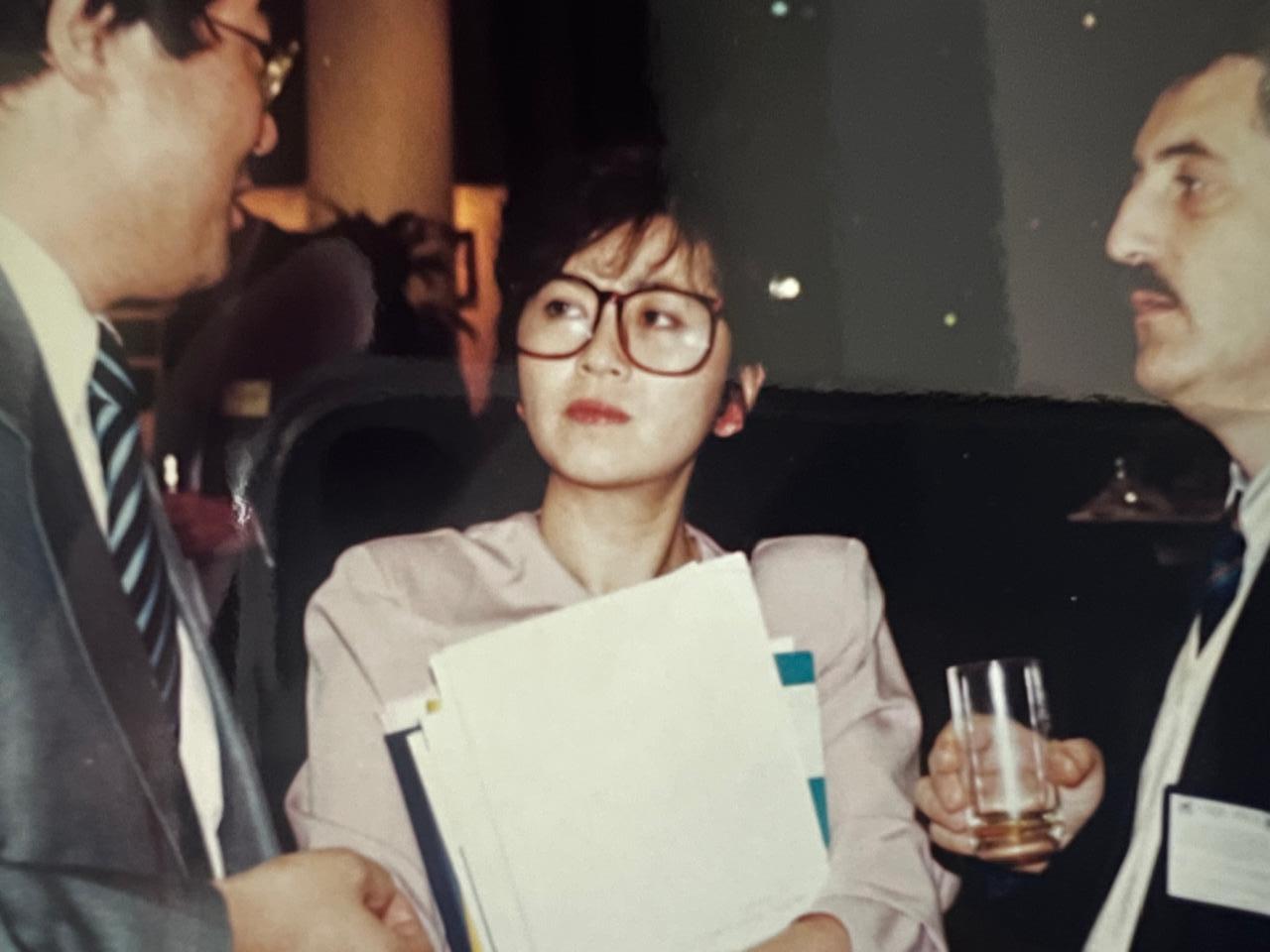
What I remember most is the sense that we were building something entirely new. I was part of a small interim secretariat waiting for the final ratifications needed for the Protocol to enter into force. We were only a handful of people, but there was a real sense of excitement because everyone understood the importance of the issue.
The science was compelling. The discovery of the ozone hole over Antarctica had captured global attention, and governments recognized that action could not wait. What nobody knew at the time was whether countries would continue working together after signing the agreement. International treaties are one thing on paper and another in practice.
The Montreal Protocol proved unusual because countries did not stop at making commitments. They created amazing mechanisms to implement them, improve them and strengthen them over time. That willingness to keep building on the basis of fairness and partnership is what made the difference.
The Protocol is often described as the world's most successful environmental agreement. Why did it work when so many other global challenges remain difficult to solve?
The first reason is science. From the beginning, decisions were grounded in scientific evidence. Governments may have disagreed on timelines or approaches, but they shared a common understanding of the problem itself.
The second reason is that the Protocol was designed to help countries succeed, notably through special provisions such as those that recognised the circumstances of the developing countries and allowing a delay of 10 years in implementing the control measures while the developed countries took the lead. One of the most innovative features was the creation of the Multilateral Fund, which provided support to developing countries to comply, to transition away from ozone-depleting substances. That helped build trust and demonstrated that environmental protection and development could move forward together.
The treaty also evolved continuously. Every few years, governments strengthened controls as new scientific evidence became available through the assessment panels. In many ways, the Montreal Protocol showed that multilateralism works best when it combines science, flexibility and solidarity.
The Kigali Amendment has been described as the Protocol's second great act. Why was it such a significant achievement?
Because it demonstrated that the treaty could evolve to address a new generation of challenges. The original Montreal Protocol focused on chemicals that depleted the ozone layer. As countries phased those substances out, many turned to hydrofluorocarbons, or HFCs, which replaced many ODS uses. HFCs do not damage ozone but are powerful greenhouse gases.
There was a clear recognition that replacing one environmental problem with another was not a sustainable solution. The challenge was that HFCs were primarily a climate issue, handled under the UNFCCC. Many countries questioned whether they belonged under the Montreal Protocol at all.
Building momentum to the point where parties were ready to discuss the issue of HFCs took years. We relied on extensive scientific assessments, technical analysis and patient diplomacy. Countries had different circumstances, different levels of development and different concerns about the transition. The discussions lasted almost eight years before an amendment could finally be agreed on.
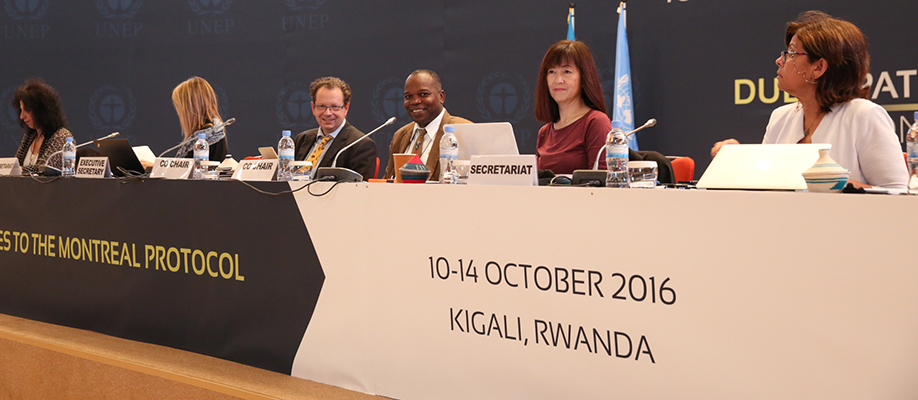
What do you remember about the negotiations in Kigali?
Mostly how difficult they were. It took 8 years since the first proposal was tabled in 2008. People often focus on the moment the gavel comes down, but those moments are really the culmination of years of work.
The final negotiations went late into the night. Delegates had been working for days. There were still major differences to bridge. When the Kigali Amendment was finally adopted, in the early hours after the all-night effort, everyone understood what had been achieved. Everyone was exhausted but exhilarated!
The Kigali Amendment is projected to avoid up to half a degree Celsius of global warming by the end of this century. If combined with energy efficiency improvements in cooling technologies, the benefits could double. For a single environmental agreement, that is a remarkable contribution.
Perhaps even more importantly, Kigali demonstrated that countries were still capable of finding common ground on a complex global issue.
What leadership lessons did you learn from nearly four decades of environmental diplomacy?
The biggest lesson is that leadership is rarely about being the smartest person in the room. It is about bringing people together. I learned that from many colleagues and mentors throughout my career, including those who trusted me with significant responsibilities early on.
Some of the most influential leaders I encountered were good listeners. They understood different perspectives, identified common interests and helped people move forward together. That is especially important in multilateral diplomacy. You cannot simply win an argument. You have to build consensus. Trust is therefore one of the most valuable forms of leadership capital. Once people trust each other, solutions become possible.
Looking back, what gives you hope about the future?
What gives me hope is that I have seen international cooperation succeed. I have seen countries with very different interests come together around science. I have seen industries innovate. I have seen governments strengthen commitments over time. I have seen a treaty evolve and adapt to emerging challenges.
Today we face new environmental pressures and growing geopolitical tensions. Multilateralism cannot be taken for granted. But the Montreal Protocol offers a powerful reminder of what is possible.
When I joined in 1988, the ozone layer was deteriorating but now it is recovering. That did not happen by accident. It was made possible because nations chose cooperation over division, common purpose over individual interests, and decisive action over delay. That is perhaps the Protocol's most important lesson, and also its most enduring legacy.